
STRUCTURED CABLING & FIBER OPTICS
Structured Cabling
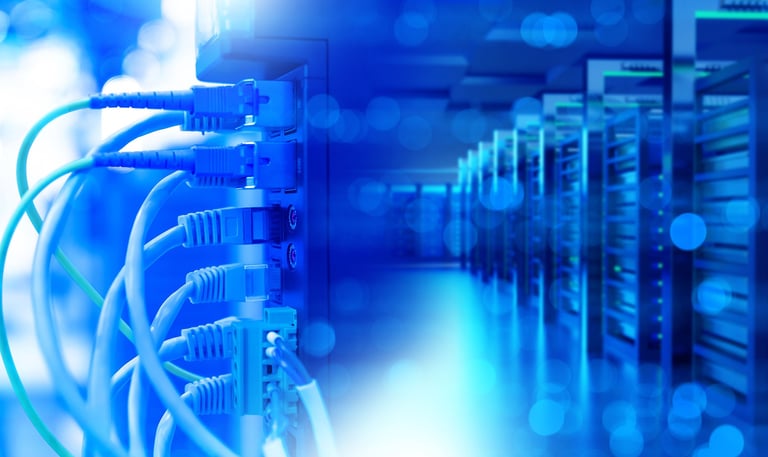
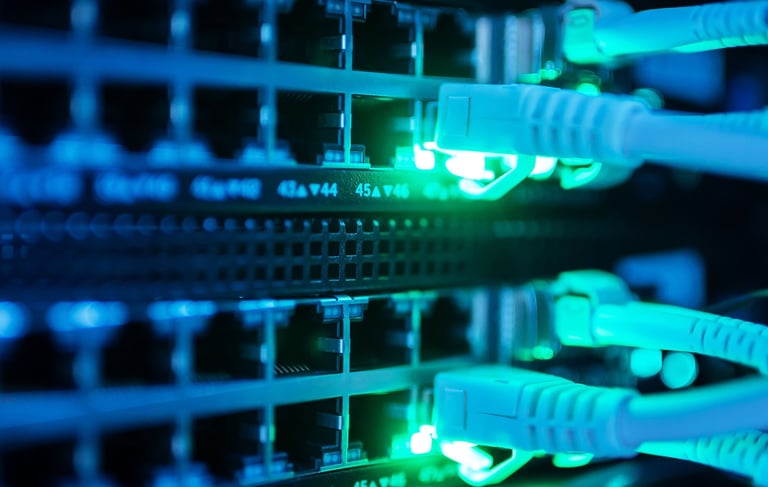
Structured cabling is a standardized system of cables, connectors, and related hardware designed to support a wide range of communication technologies within buildings and campuses. It serves as the backbone of any modern IT infrastructure, enabling reliable data, voice, and video transmission across networks.
This system organizes cabling into unified, easy-to-manage components, making it far more efficient and scalable than traditional point-to-point cabling. Structured cabling typically includes horizontal cabling, vertical backbone cabling, patch panels, telecommunications rooms, and work-area outlets - all designed according to international standards such as ANSI/TIA-568 and ISO/IEC 11801.
More on Structured Cabling
One of the biggest advantages of structured cabling is its flexibility. Whether a company wants to expand its network, relocate devices, or upgrade to faster technologies, the system can adapt quickly with minimal disruption. It also enhances network performance by reducing signal interference, improving organization, and simplifying troubleshooting.
With the increasing demand for high-speed connectivity, structured cabling has become essential for businesses, data centers, educational institutions, and government facilities that rely on stable and scalable network communication. It forms the foundation for technologies like VoIP, wireless systems, security cameras, access control, and Internet of Things (IoT) devices - ensuring smooth operations today and future readiness for tomorrow.
Fiber Optics
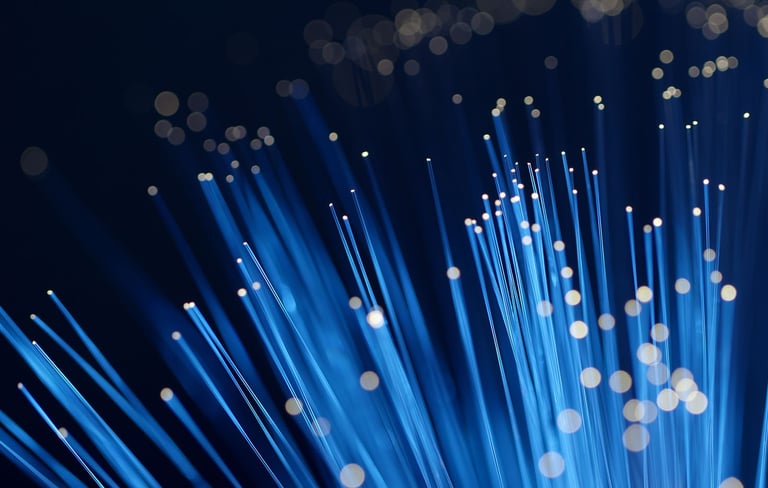
Fiber optics is a high-performance communication technology that transmits data as light through thin glass or plastic fibers, delivering extremely high speeds with minimal signal loss. Its ability to maintain clarity over long distances makes it ideal for modern networks requiring high bandwidth, reliability, and low latency.
Fiber optics resists electromagnetic interference, delivers stable performance, and is lightweight, secure, and easily scalable for future network expansion.
From high-speed internet and cloud computing to security systems, smart buildings, and 5G networks, fiber-optic technology plays a vital role in enabling advanced digital transformation. Its speed, stability, and future-ready design make it an essential choice for businesses seeking reliable, long-term connectivity.